The Function of Advanced Irrigation Systems in Maximizing Crop Yields and Efficiency
Advanced irrigation systems have become crucial devices in modern-day agriculture. They boost plant yields and boost water efficiency via techniques such as drip irrigation and precision systems. These innovations not just minimize waste yet additionally ensure that plants receive perfect hydration. As farming practices advance, the combination of innovation into irrigation monitoring elevates essential questions regarding sustainability and future developments. What lies in advance for these transformative systems in an increasingly water-scarce globe?
Understanding Advanced Watering Technologies
As agricultural needs increase, recognizing sophisticated irrigation technologies comes to be crucial for maximizing water use and improving crop returns. These technologies include different systems created to provide water successfully to plants, making certain that they obtain the required dampness without wastefulness. Amongst these systems are drip watering, lawn sprinkler, and subsurface irrigation, each tailored to details farming requirements and settings.
Trickle irrigation, as an example, entails the slow release of water straight to the plant origins, minimizing evaporation and runoff. This technique not only conserves water but likewise promotes healthier plant development. Lawn sprinkler systems are versatile, offering coverage across diverse terrains. Subsurface watering, buried underground, reduces water loss appreciably.
Integrating automation and sensing unit innovation better enhances these systems, permitting real-time monitoring and adjustments based on soil moisture levels and weather. Eventually, a detailed understanding of these innovative irrigation innovations is vital for lasting agricultural methods.
Advantages of Drip Irrigation Equipments
Leak irrigation systems provide countless advantages that make them a recommended option amongst contemporary agricultural practices. These systems deliver water straight to the plant roots, making certain efficient use of water resources. By minimizing dissipation and drainage, they significantly reduce water waste, adding to lasting farming.
In addition, drip irrigation enables for accurate control over water application, enabling farmers to customize irrigation timetables based on specific crop needs. This targeted approach can result in much healthier plants, minimized weed development, and reduced plant food use, eventually improving soil health.
The installment of drip systems can additionally bring about labor cost savings, as they frequently need less hand-operated intervention compared to typical watering methods. The constant dampness supplied by drip irrigation can boost crop quality and return. In general, these advantages placement drip irrigation as a vital component in the quest for extra efficient and productive farming methods.
The Influence of Precision Watering on Plant Yields
While conventional irrigation techniques usually cause irregular water circulation, accuracy watering modern technologies have actually transformed crop management by maximizing water application based upon real-time data. This approach permits farmers to provide the precise quantity of water required for certain plants, thereby reducing waste and enhancing plant health and wellness. By using sensors and automated systems, precision watering assurances that water is used at the appropriate time and in the right quantities, causing boosted dirt dampness degrees.
Research has actually shown that plants watered using precision strategies can experience significant yield boosts contrasted to those under traditional methods. The targeted application decreases water stress and anxiety throughout essential development phases, advertising more powerful root growth and better nutrient uptake. Additionally, the performance of water usage contributes to sustainability, allowing farms to grow also in water-scarce conditions. Ultimately, precision watering not only increases productivity but additionally sustains environmental stewardship, making it a crucial element of modern-day farming methods.
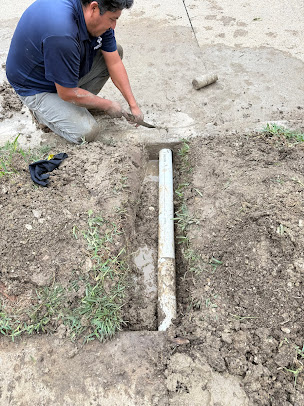
Integration of Data Analytics in Irrigation Administration
Via the combination of data analytics, irrigation administration has actually transformed into an extra informed and specific process. By leveraging real-time data from numerous sources such as dirt wetness sensors, weather prediction, and crop health tracking, farmers can make better choices concerning water application (Sprinkler diagnostic). This data-driven approach permits tailored watering timetables that fulfill the particular requirements of crops, thereby maximizing water use and improving general effectiveness
Predictive analytics can anticipate prospective irrigation needs based on historic data patterns, allowing aggressive management. Farmers can additionally identify fads associated with water use, resulting in cost financial savings and boosted source appropriation. In addition, the integration of data analytics cultivates sustainable techniques by minimizing water waste and lowering the ecological effect of irrigation. Overall, using information analytics in watering monitoring not just sustains higher crop returns yet also promotes a more lasting farming structure.
Future Patterns in Irrigation Modern Technology and Sustainability
As the agricultural market proceeds to advance, emerging trends in irrigation innovation are positioned to improve sustainability and performance. Advancements such as accuracy watering systems take advantage of real-time data to maximize water usage, guaranteeing that crops receive the specific quantity required for growth. This not only conserves water sources but likewise reduces drainage and nutrition loss.
Furthermore, the assimilation of solar-powered watering systems is getting grip, reducing dependence on fossil fuels and lowering operational prices. Advanced sensing units and IoT tools are anticipated to come to be extra commonplace, offering farmers with detailed understandings right into soil moisture degrees and crop health and wellness, further refining watering methods.

Regularly Asked Concerns
Exactly How Do Advanced Watering Systems Affect Dirt Wellness Over Time?
Advanced watering systems contribute to soil wellness by promoting also moisture circulation, decreasing erosion, and boosting nutrient schedule. With time, these systems foster enhanced microbial task and raw material retention, eventually leading to healthier, much more productive dirts.
What Are the Initial Prices of Installing Advanced Irrigation Equipments?
The preliminary prices of setting up sophisticated irrigation systems can vary substantially, varying from several thousand to tens of hundreds of bucks. Variables influencing these expenses consist of system type, size, and details agricultural demands of the location.
Can Advanced Watering Solutions Be Automated for Remote Surveillance?
Advanced watering systems can without a doubt be automated for remote tracking, permitting farmers to track water use, dirt wetness degrees, and system performance from afar, thereby enhancing performance and reducing manual work needs substantially.
Just How Commonly Should Maintenance Be Performed on These Systems?
Regular maintenance of advanced irrigation systems is necessary for peak performance. Professionals advise conducting examinations at the very least twice annual, with added checks after severe climate occasions or if system malfunctions are observed, ensuring long life and performance.
What Crops Advantage the A Lot Of From Advanced Watering Technologies?
Particular plants, particularly those needing constant moisture degrees such as tomatoes, strawberries, and lettuce, substantially advantage from innovative irrigation technologies (Sprinkler diagnostic). These systems boost water efficiency and assistance perfect development conditions, inevitably boosting overall plant yields
They boost plant yields and enhance water effectiveness through approaches such as drip watering and precision systems. As farming needs enhance, comprehending innovative irrigation modern technologies becomes important for optimizing water usage and boosting crop yields. Additionally, drip watering yard edging permits for accurate control over water application, enabling farmers to customize irrigation schedules based on specific crop requirements. While typical watering approaches frequently lead to uneven water distribution, precision irrigation innovations have actually reinvented plant monitoring by maximizing water application based on real-time information. Developments such as precision watering systems leverage real-time information to maximize water usage, guaranteeing that plants get the exact quantity needed for development.